.png)
.png)


.png)
.png)
The Scotland and Northern Ireland Region Battle of Britain week-long tour began on a bright Sunday morning as 40 cadets and 10 staff gathered at a central assembly point, anticipation running high. Their first stop was the International Bomber Command Centre in Lincolnshire, where exhibits and memorials inspired reflection on the bravery of those who flew in Bomber Command. Cadets gained an early understanding of the challenges faced by young aircrew during World War II, setting the tone for a week of immersive learning.
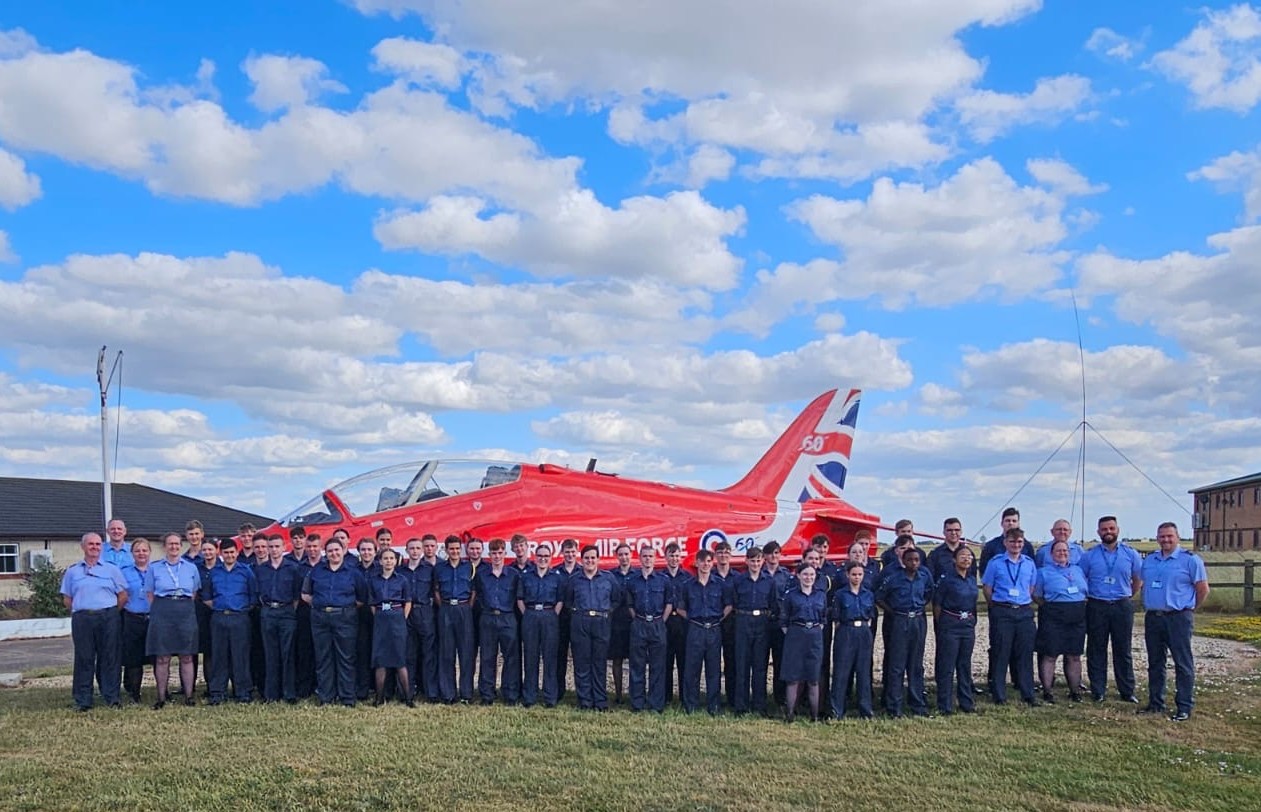
Day two took the group to RAF Cranwell, where a guided tour of College Hall revealed the scale and heritage of RAF training. Seeing where future officers begin their journey gave cadets a strong sense of pride and perspective. At RAF Coningsby, the Battle of Britain Memorial Flight brought history to life with Spitfires, Hurricanes, and the Lancaster Bomber on display. Later, at RAF Waddington, meeting the Red Arrows and learning about next-generation projects showed how innovation and teamwork continue to define the RAF. Cadets left inspired by the skill and dedication required at every level of service.
"My favourite experience on the tour was definitely visiting RAF Coningsby, it was brilliant to be able to see the Typhoon and all the Battle of Britain aircraft up close!"
RAF Air Cadet Carswell
Day three focused on the frontlines of the Battle of Britain. At Duxford, surrounded by vintage aircraft, cadets imagined the urgency of Spitfires and Hurricanes scrambling to intercept enemy raids. The RAF Hornchurch Museum offered a personal dimension, telling the stories of 603 (City of Edinburgh) Squadron pilots such as Flight Lieutenants Richard Hillary and Freddie Rushmer. Their courage and sacrifice illustrated the human reality behind every mission. The day ended at Ramsgate Harbour, where Operation Dynamo (the evacuation of Dunkirk) was brought vividly to life. Cadets pictured the flotilla of small craft crossing the Channel to rescue stranded troops, gaining a deep appreciation for the courage, coordination, and initiative that turned adversity into triumph.
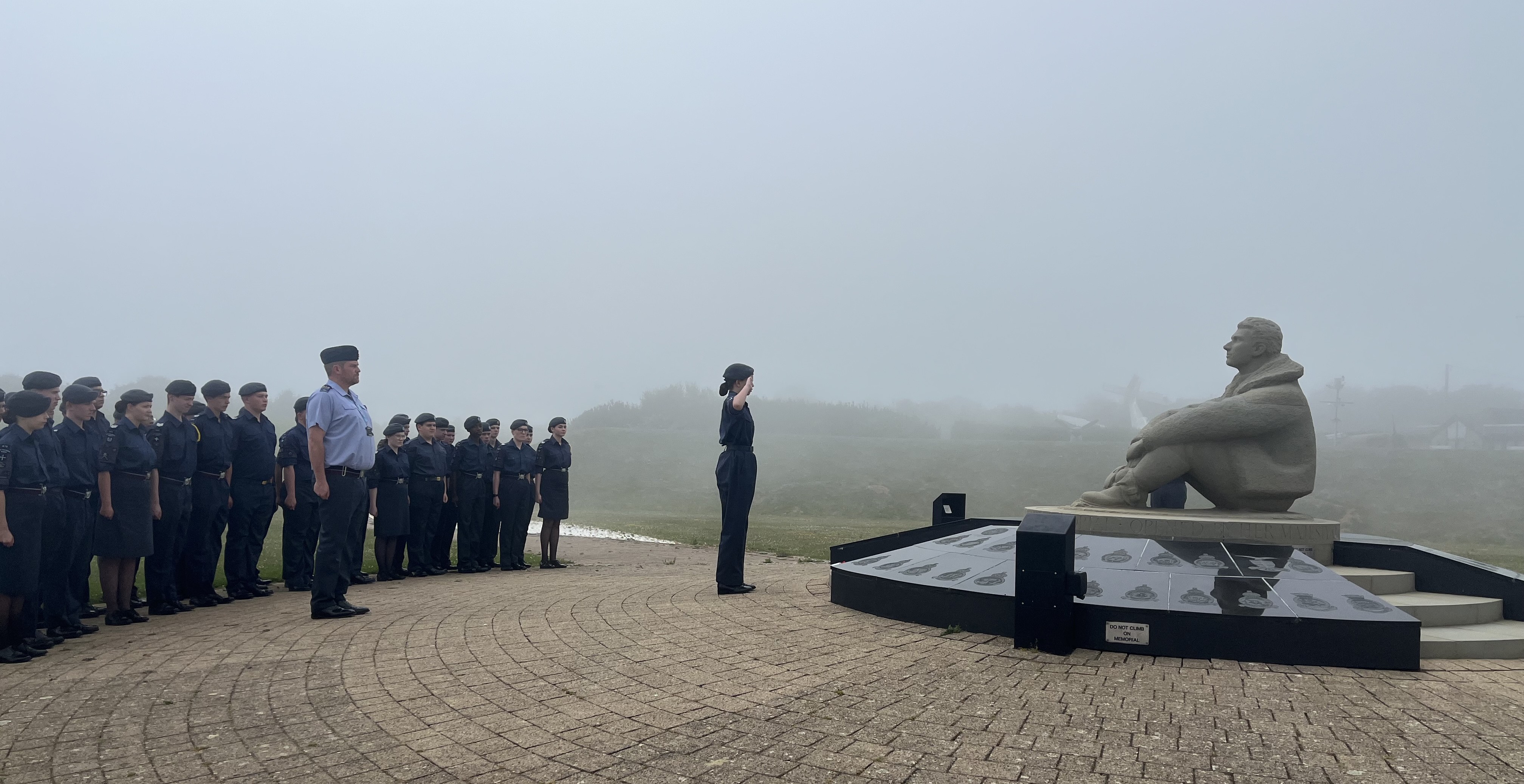
Wednesday’s programme remained in Kent, beginning at the RAF Hawkinge Museum before continuing to the Capel-le-Ferne Memorial. Replica Hurricanes and evocative displays gave cadets a sense of the pressure and precision of air combat. At Capel-le-Ferne, the memorial’s calm expanse atop the White Cliffs of Dover offered a moment for reflection. The lone figure of the fighter pilot gazing across the Channel stood as a powerful symbol of vigilance and duty. Later, Dover Castle revealed the strategic brilliance behind Operation Dynamo, linking individual bravery to the leadership and planning that defined the wider campaign.
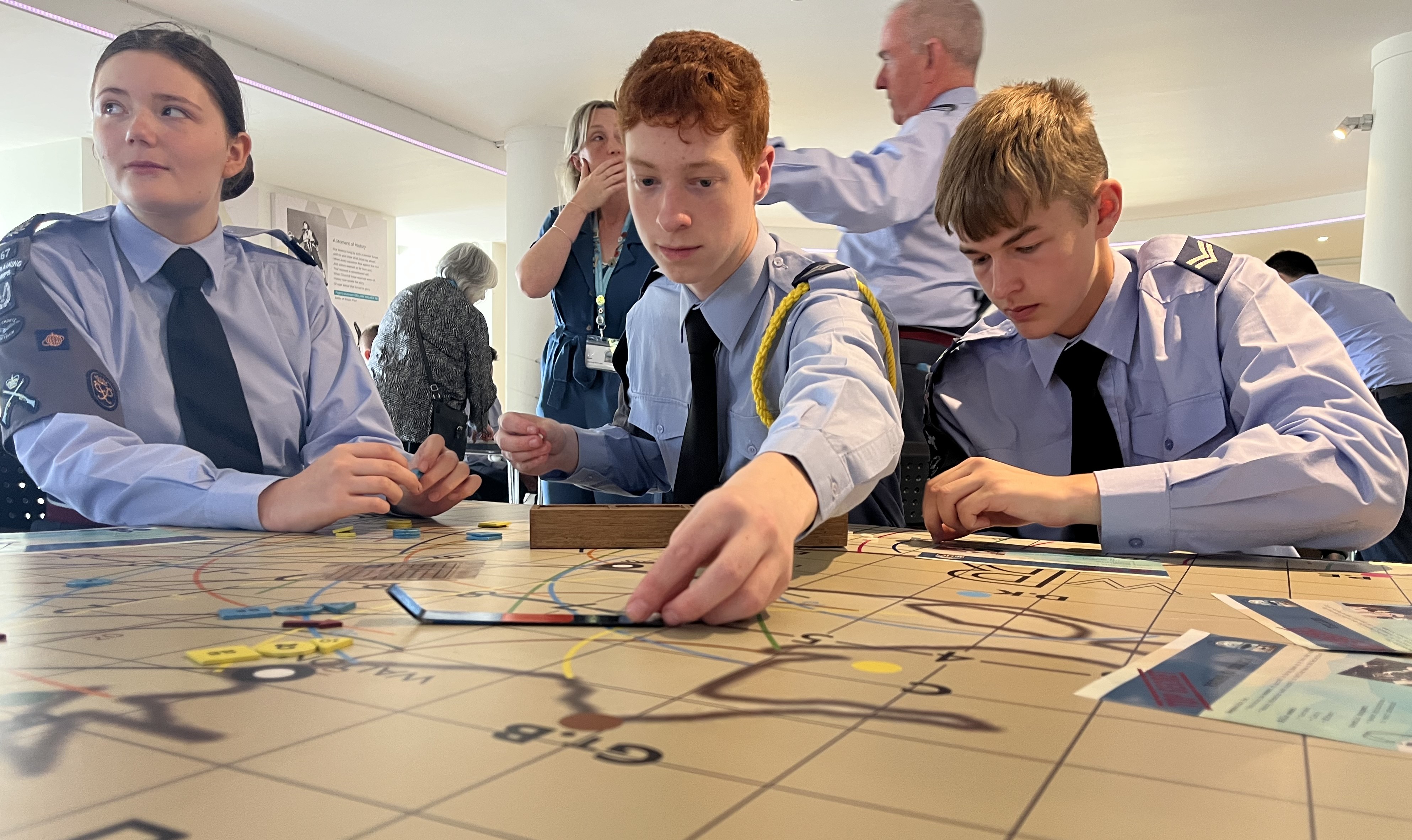
Day five explored command and control. At the Uxbridge Bunker, cadets descended into the operations room where RAF teams once coordinated responses to enemy raids. The experience demonstrated the teamwork, communication, and analytical skill that underpinned victory in the air. At RAF Bentley Priory, the headquarters of Fighter Command, cadets learned how strategic leadership and technological innovation multiplied limited resources. The day concluded at the Bomber Command Memorial in London, where the group reflected quietly on the scale of loss and contribution, recognising the thousands of young volunteers whose courage shaped the war’s outcome.
"One key message we were told was the number of guns and ammunition carried by the Spitfire was calculated by a teenage girl, showing that no matter how old you are you can still have a massive impact on the world around you."
RAF Air Cadet Porter
Friday, the final full day, combined learning with reflection. At the Houses of Parliament, cadets considered how leadership, democracy, and national values were central to the cause defended by the RAF. The RAF Museum at Hendon provided a comprehensive overview of the Battle of Britain, from aircraft design to tactics and strategy. At the Battle of Britain Monument, Embankment, cadets studied the sculpted panels depicting pilots and ground crew, realising that every figure represented a story of courage and commitment. The tour concluded at the RAF Club, rich in heritage and tradition, where cadets shared their reflections on an unforgettable week.
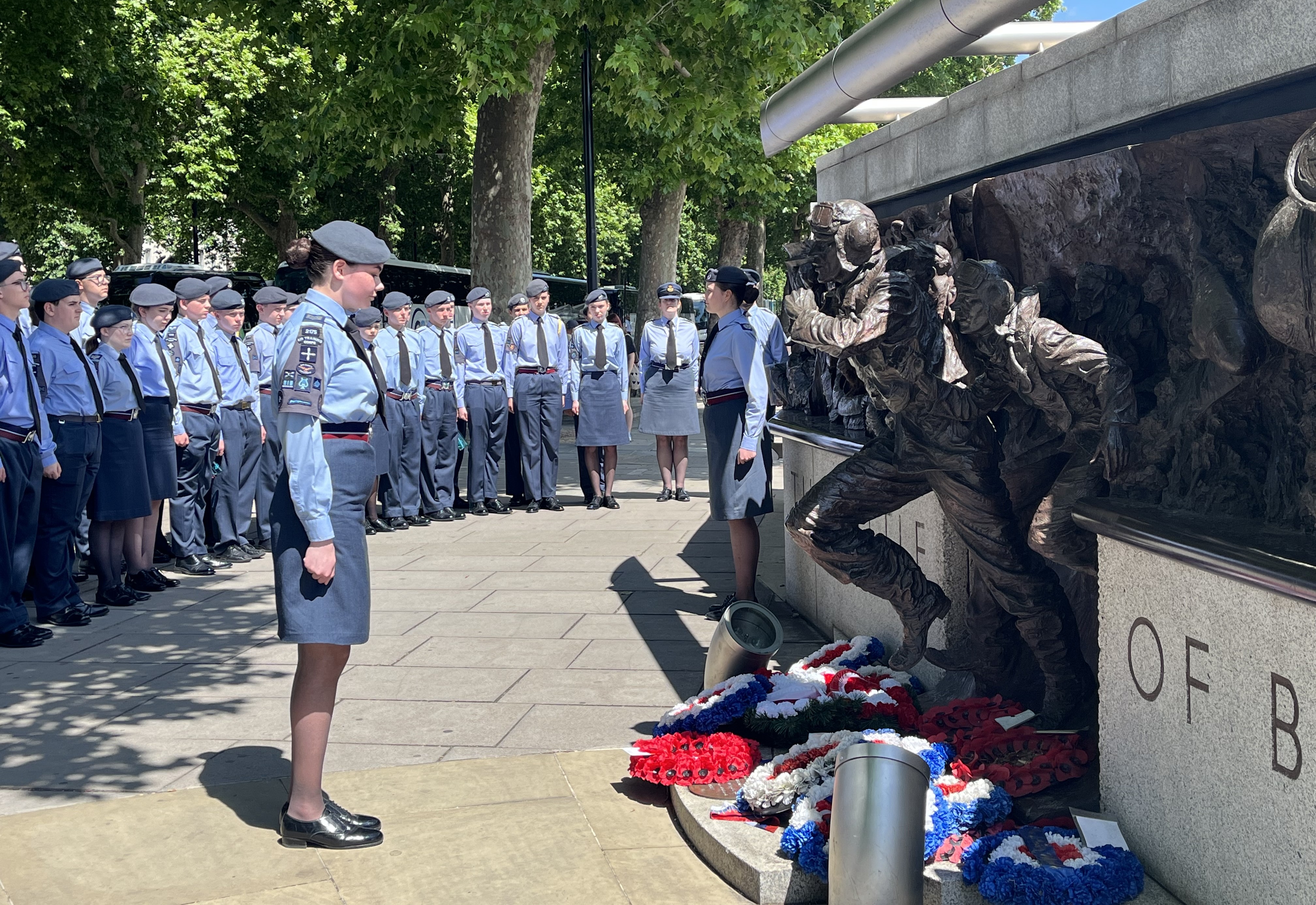
Throughout the tour, cadets didn’t just observe history - they engaged with it. From the roar of engines at Coningsby to the quiet dignity of Capel-le-Ferne, each visit reinforced the values of resilience, precision, and teamwork. They saw how leadership, planning, and innovation allowed a small force to stand against overwhelming odds - lessons still vital in the modern RAF.
The week left a lasting impression. Cadets walked in the footsteps of pilots and crews, stood beside memorials, explored airfields, and considered the moral complexities of warfare. They discovered that history is not just a record of events, but a living lesson in human courage, decision-making, and responsibility.
"I would truly rank the tour as the best cadet trip that I have ever been on, and it is one of my best memories as both a person and as a cadet. I made so many new friends and met some great people, all of whom I still speak with to this very day."
RAF Air Cadet Glackin
By the journey’s end, the tour had deepened cadets’ understanding of the Battle of Britain and strengthened their appreciation of the Air Training Corps’ values: service, teamwork, resilience, and pride in heritage. Supported by the Air Cadet Charity, the experience allowed cadets from Scotland and Northern Ireland to engage directly with RAF history, connecting them to a living legacy of courage and commitment that continues to inspire the RAF today.
The thanks of S&NI Region, its cadets and staff, are due to the Air Cadet Charity.
Squadron Leader Tom McMorrow
Scotland & Northern Ireland Region
RAF Air Cadets